Annual Sweep Reminder
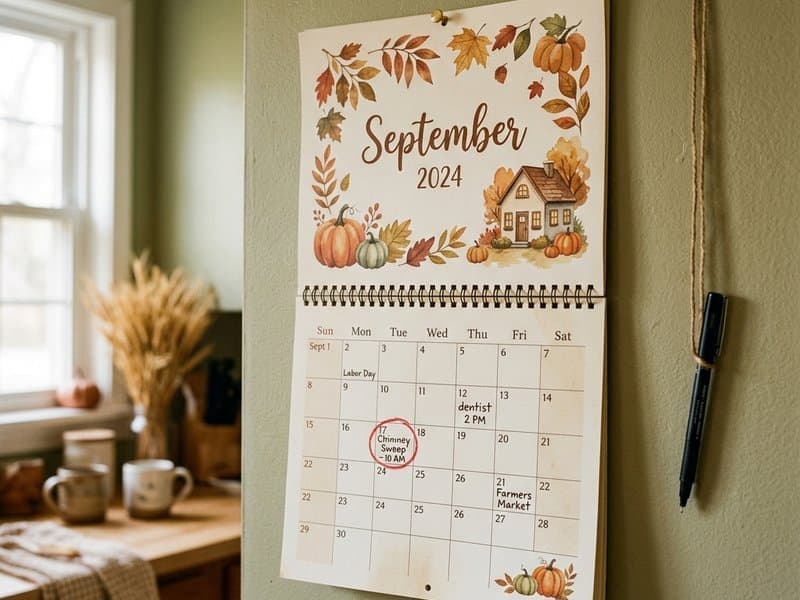
Personalised sweep/inspection calendar — reminders before peak season.
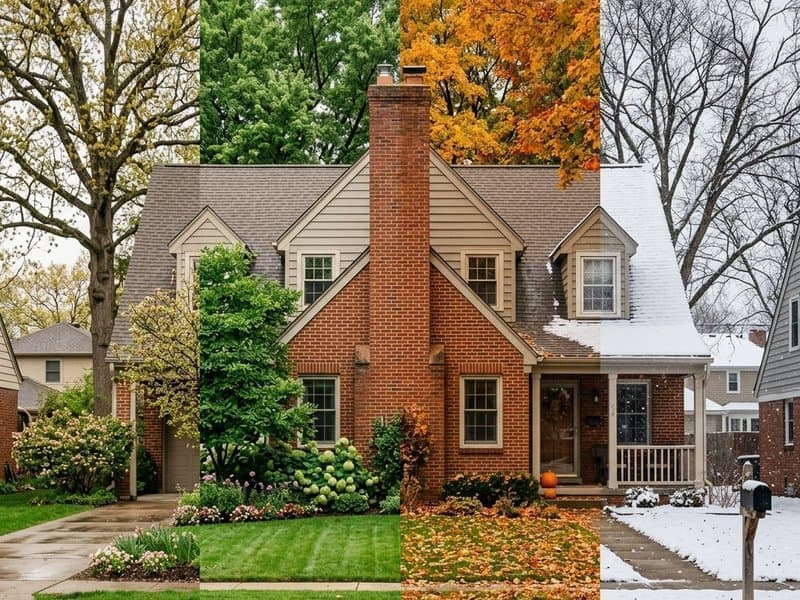
Chimney maintenance is seasonal, and homeowners forget. That is the entire problem. A $150-$350 annual chimney inspection and sweep (when warranted) prevents a chimney fire that costs $5,000 to $25,000 to repair, plus the fire department response, plus the insurance headache, plus the risk of losing the house. The cost of neglect is 10 to 100 times the cost of maintenance, and the only reason homeowners ever let it slide is because there is no built-in reminder the way there is with a car service light or a furnace filter.
This is that reminder. A month-by-month schedule of what to do and when, broken out by climate zone, because a New Hampshire chimney and a Phoenix chimney do not need the same calendar. At the bottom is the 5-minute monthly self-check that catches 80% of problems before they become emergencies, and a realistic annual budget so nothing surprises you.
The industry shorthand — "get your chimney swept every year" — is both true and misleading. It is true that every chimney in regular use needs an annual inspection under NFPA 211. It is misleading because the inspection is the non-negotiable part; the sweep itself is warranted only when creosote or soot buildup hits the 1/8-inch threshold, which depends on fuel, usage, wood moisture, and climate. See how-often-chimney-sweep for the threshold detail.
A calendar matters because the decisions about when to book matter almost as much as the decisions about what to book. Scheduling an inspection in August means you compete with every other homeowner in the country for a sweep appointment and pay peak-season rates. Scheduling the same inspection in April means you get your pick of sweeps, often at better prices, and you have the entire off-season to handle any repairs the inspection surfaces. The maintenance itself is the same; the cost and stress are not.
The other reason a calendar matters: chimneys fail slowly. A crack in the crown grows over one rainy season. Flashing lifts after one freeze-thaw cycle. A bird's nest that arrived in April is a full vent blockage by September. The homeowners who avoid chimney emergencies are not the ones who are lucky — they are the ones who look at their chimney on a schedule and catch early problems before they become late ones.
Cold climate covers 25 states across New England, the Mid-Atlantic, the Midwest, the Mountain West, and Alaska. Heating season typically runs late September through April, and in the coldest states fireplaces or wood stoves may run as primary heat from October through March. Creosote accumulates faster here than anywhere else in the country because flue temperatures stay low on long, slow overnight burns.
Mid-season is for monitoring, not servicing. Do not schedule a routine sweep in January unless you have reason to believe something is wrong. Sweeps are fully booked, prices are at the annual peak, and opening up a working system in the coldest weeks of the year is disruptive.
What to monitor: smoke entering the room (a draft problem or partial blockage), unusual sooty or sour smells, visible creosote flakes falling into the firebox, a roaring or rumbling sound during active fires (a chimney fire warning). If you see any of those, stop using the fireplace and call a sweep immediately — this is an emergency category, not routine maintenance.
Weekly in-season action: remove firebox ash when it reaches about 1 inch deep. Leave a thin ash bed behind — it insulates the firebox floor and helps the next fire catch. Store removed ash in a metal container outdoors, away from the house, for at least 72 hours before disposal. Hot embers can persist in ash for days.
As daytime temperatures climb, fire frequency drops naturally. Use this month to make notes — literally write them down — about any issues from the season. Draft problems during a cold snap. A door gasket that smells off. A wonky damper. A downdraft on windy days. These notes go to the sweep in April so the inspection actually addresses what you observed, not just what is visible on inspection day.
This is the single best window of the year to book your annual inspection and sweep. Creosote is still fresh from the just-ended heating season, which makes it easier to remove — buildup left in place over summer hardens, glazes, and becomes harder to brush out. Sweeps are coming off peak-season backlog and are easier to book, sometimes at lower prices. And you have the entire summer for any follow-up repairs before the next heating season starts.
What to do in April–May:
If the spring inspection identified needed repairs, this is when they get done. Masonry work — tuckpointing, crown repair, flashing replacement — needs temperatures above 40°F for proper cure and is best done in warm, dry weather. Waterproofing products also need dry application conditions.
The specific off-season projects that belong here:
If you missed the spring sweep, now is the last realistic window before peak demand locks you out. Demand spikes from mid-August through October as homeowners start thinking about the coming heating season. Book by the first week of August at the latest.
Other August tasks:
The first fire of the season is a test fire, not a party. Small fire. Seasoned kindling and one small split. Watch for: smoke entering the room, unusual smells, slow draft startup, or smoke curling back at the top of the firebox. Any of those, let the fire die out and call the sweep before lighting again.
Safety hardware check at season start — not later:
Burn hot, active fires. Smoldering fires — low oxygen, low flame, lots of smoke — are the primary cause of creosote buildup. A fire should have visible flames for most of its burn. If you are damping down to extend a burn overnight, accept that you are producing creosote and adjust your sweep schedule accordingly.
Season-long rules:
Moderate climate covers 16 states across the upper South, the lower Midwest, and the Pacific Northwest. Heating season typically runs November through March. Fireplaces are often supplemental rather than primary heat, so creosote accumulates more slowly, but water-damage issues (especially in the Southeast) become a larger share of the maintenance load.
The schedule compresses:
Because heating season is shorter, many moderate-climate homeowners can move to every-other-year sweeping (not inspection — inspection stays annual) once the usage pattern is established. A light-use fireplace with one inspection year showing minimal buildup will often carry forward the same pattern.
Warm climate covers 10 states across the Deep South, the desert Southwest, and Florida. Fireplaces exist but are used occasionally — a few times a winter, often for ambiance rather than heat. Some homes have gas fireplaces rather than wood-burning, which shifts the maintenance mix entirely. See gas-fireplace-chimney for gas-specific maintenance.
The warm-climate maintenance mix:
Best months to schedule: October–November for wood fireplaces heading into light use season, and February–March for post-winter checkups and animal-nest removal.
| Month | Cold | Moderate | Warm |
|---|---|---|---|
| January | Monitor only; emergency calls only | Monitor only | Light use; monitor |
| February | Monitor only; emergency calls only | Monitor only | Animal/cap check if unused |
| March | Season wind-down; note issues | Sweep window opens | Post-winter cap inspection |
| April | Sweep Window #1 — book now | Sweep Window #1 — book now | Off-season cap/flashing check |
| May | Book follow-up repairs | Repairs; waterproofing | Repairs; waterproofing |
| June | Off-season repairs | Off-season repairs | Off-season repairs |
| July | Masonry work; waterproofing | Gutter/flashing focus | Pre-hurricane cap inspection |
| August | Sweep Window #2 — last call | Firewood check | Cap check |
| September | Season start: safety check | Sweep Window #2 | Cap check; gas fireplace check |
| October | First fire; test cautiously | Season start | Season start for occasional use |
| November | Full heating season | Season start | Light use |
| December | Full heating season | Full heating season | Light use; holiday safety |
Every month, year-round, in every climate, do this 5-minute walkthrough. It catches the vast majority of developing problems before they become emergencies.
Five minutes. Once a month. The homeowners who do this catch flashing failures, crown cracks, dead animals, and failed detectors months before the homeowners who don't.
Budget planning makes the difference between maintenance happening and not happening. Here is a realistic annual budget by category:
Realistic total annual budget: $400-$700 for a well-maintained chimney in active use. Cheaper if the chimney is unused (still need inspection). Higher if the system is older or if past maintenance was deferred and you are catching up.
Setting aside $50/month toward a chimney maintenance fund solves the "I can't afford a sweep right now" problem that drives deferred maintenance into chimney fires. It is the single most underused trick in homeowner budgeting.
The easiest way to ensure this calendar actually gets followed is to not rely on memory. Our Sweep Reminder tool lets you enter your last sweep date, fuel type, and usage pattern, then emails you when it is time to book the next one — timed to your climate zone and the sweep windows above. sweep-reminder
Browse 30+ guides, or jump straight to verified operators in your state.
How often should you clean your chimney? The direct answer from NFPA 211, broken down by fuel type and usage — plus when annual sweeps are a scam.
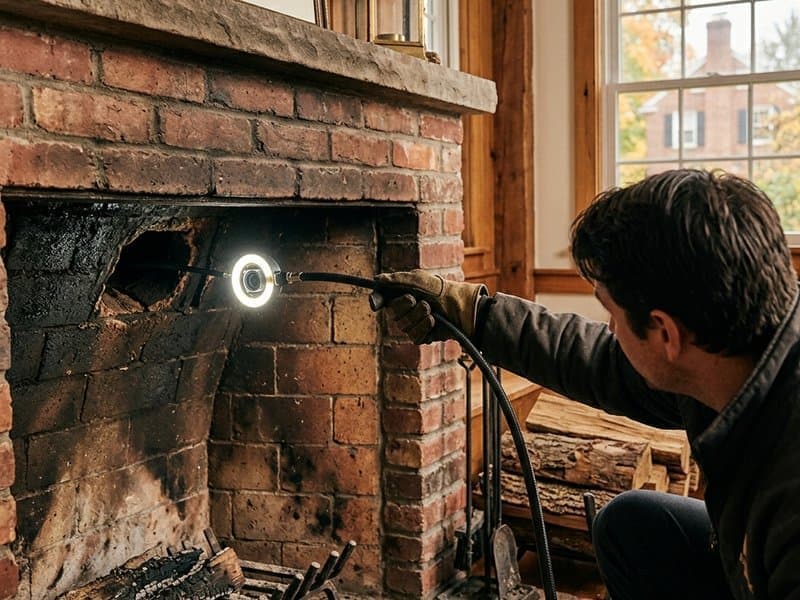
NFPA 211 inspection levels: Level 1 no camera, Level 2 video camera required. Each level includes all lower levels. Sweep durations, scope, scams to avoid.

Chimney cap types, costs $150-$1,200, stainless vs galvanized warranty truths, three-measurement sizing, OSHA 4/12 access rules, and the cap install upsells to avoid. Expert-reviewed.