Inspection Level Decider
Find out if you actually need a Level 2 inspection — or if a Level 1 is enough.
NFPA 211 defines three chimney inspection levels — Level 1, Level 2, Level 3 — with specific equipment requirements, specific scope, and specific circumstances. Camera requirements differ by level: Level 1 does not require a camera and does not require rooftop access. Level 2 does require a video camera that records the flue interior. Level 3 includes everything Level 2 includes plus invasive demolition. Each level requires all parts of the lower levels — Level 2 includes everything in Level 1, Level 3 includes everything in Level 1 and 2. Any level may include parts of higher levels at the operator's discretion based on findings.
This guide is the consumer reference for NFPA 211 inspection levels. It covers what each level includes (and doesn't), when you actually need each, typical pricing and timing ranges, and how scam operators exploit the Level 2 designation to justify five-figure repair quotes. Per NFPA 211 standards, every annual inspection should be a Level 1 unless one of the specific triggering conditions applies. Note that NFPA 211 only sets standards for inspection (which may include sweeping); CSIA and NFI both have prescribed methods for sweeping as part of their certification curricula.
A Level 1 chimney inspection is the standard annual inspection for a chimney and venting system in continued service with no changes and no known hazards. According to NFPA 211, it is required when the appliance or venting system is not changed and when the homeowner plans to continue using the system in the same manner as the previous year.
A Level 1 inspection covers all readily accessible portions of the chimney exterior and interior, and all readily accessible portions of the appliance and chimney connection. "Readily accessible" means visible without the use of tools to open doors, panels, or coverings. The inspector examines:
A flashlight and an inspection mirror are sufficient for the readily accessible scope. A camera is NOT required for Level 1. This is a visual inspection of readily accessible components. Some operators voluntarily include camera footage where firebox-side access permits, but it is not part of the NFPA 211 Level 1 requirement.
Rooftop access is NOT within the scope of a Level 1 inspection since it may require OSHA-compliant fall protection. A Level 1 inspector documents what is readily accessible from inside the home and from the ground. Rooftop access becomes appropriate when triggered by a Level 1 finding (loose cap, suspected crown damage), but a Level 1 quote that does not include rooftop work is not, by itself, a deficient inspection — it is the standard scope.
Annually, at minimum, if you use your fireplace or wood stove regularly. Also any time you begin a new heating season after not using the system for several months. The Chimney Safety Institute of America recommends annual inspection regardless of usage level because issues like animal nesting, masonry deterioration, and moisture damage accumulate whether the fireplace is used or not.
Level 1 inspections typically cost $100 to $250 in US metros, with most operators pricing around $125-$175. Many operators bundle Level 1 inspection with a standard sweep for a combined price of $250-$400 — this is the most common service bundle and usually represents the best value for annual maintenance.
Per NFPA 211, a formal report and photo essay are NOT requisites of a Level 1 inspection — but they are marks of an adept professional. A receipt with a hand-drawn diagram is a mark of an amateur. The site recommends documentation but does not claim the standard requires it. When evaluating operators, prefer those who voluntarily provide a formal report with photos even where the standard does not require it.
A Level 2 chimney inspection is required when a specific triggering event has occurred or when a system change is being made. According to NFPA 211, Level 2 is not a Level 1 upgrade — it is a different inspection with a different scope and different equipment requirements.
Level 2 includes everything in Level 1 (because each level requires all parts of the lower levels), plus:
Documentation (formal report, photo essay) is not a NFPA 211 requirement for Level 2 either, but at this level it is the practical standard — without it the inspector cannot communicate findings effectively, and any insurance or real estate use case requires it.
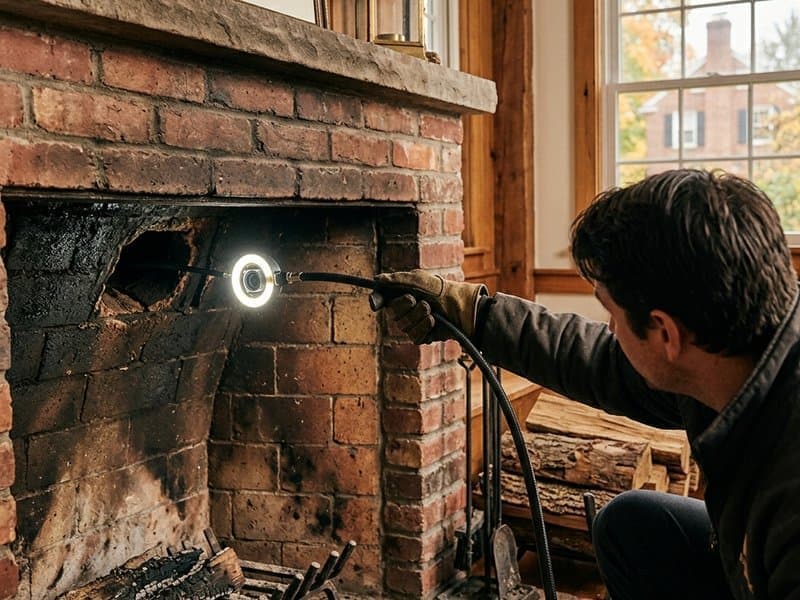
A Level 2 inspection requires a video camera — not just a camera. NFPA 211 specifies a video inspection system that records the flue interior. The most common systems are the Chim-Scan and the Wohler VIS — specialised cameras on long flexible cables that can be fed through the full flue length from top to bottom. Without a video camera system, a Level 2 cannot be performed. Phone photos do not substitute. An inspector who arrives without a video camera and claims to be conducting a Level 2 is either misrepresenting the service or running a fake Level 2 scam.
Per NFPA 211, a Level 2 inspection is required in specific circumstances:
If none of the above applies, you do not need a Level 2. The fact that the operator recommends one does not create the trigger condition. Be specific with any inspector: which NFPA 211 trigger is justifying the Level 2 scope?
Level 2 inspections typically cost $250 to $500 in US metros. High-cost metros and inspections bundled with a written report for real estate transactions run $400–$600. Quotes above $600 for a single-flue inspection often reflect access challenges, multi-flue systems, or bundled deliverables — ask the inspector to walk through what's included.
A Level 3 chimney inspection is the invasive inspection required when Level 2 reveals concealed hazards that cannot be assessed without partial demolition. This is the most serious and most expensive inspection tier and the least commonly required.
Level 3 includes everything in Level 2, plus:
Level 3 requires everything Level 2 requires, plus demolition tools, restoration capability, and often temporary shoring. Level 3 is typically performed by a team rather than a single inspector.
A Level 3 inspection is only required when a Level 2 has identified a specific concealed hazard — cracked flue liner in a concealed section, fire damage extending into framing, evidence of spark leakage into wall cavities. A homeowner should never be quoted directly for Level 3 without a prior Level 2 documenting the specific concern. If an operator proposes Level 3 without prior Level 2 findings, the proposal is not compliant with NFPA 211 sequencing.
Level 3 inspections typically cost $1,000 to $5,000 depending on the scope of demolition required. A basic Level 3 accessing a single concealed section might run $1,000-$1,500. Level 3 that extends into multiple wall cavities can reach $3,000-$5,000. These figures are for inspection only — repair work is quoted separately once the inspection identifies the actual condition.
| Dimension | Level 1 | Level 2 | Level 3 |
|---|---|---|---|
| Scope | Readily accessible sections | Full flue video scan + enclosed spaces | Concealed sections via demolition |
| Equipment | Flashlight, mirror (no camera required) | All Level 1 + professional video camera | All Level 2 + demolition tools |
| Documentation | Not required by NFPA 211 (mark of professionalism if provided) | Not required by NFPA 211 but practically mandatory for findings | Required for repair planning |
| Duration (inspection only) | ~30 min | ~1 hour | Half-day to full-day |
| Duration (with sweep) | 45-60 min total | 1.5-2 hours total | N/A — separate scope |
| Typical cost (US) | $100-$250 | $250-$500 | $1,000-$5,000 |
| NFPA 211 trigger | Annual inspection, no system changes | Fuel change, appliance change, fire, storm, home sale, or Level 1 concerns | Concealed hazard identified in prior Level 2 |
| Required documentation | Invoice and written findings | Invoice, written findings, photo/video | Invoice, findings, photo/video, repair plan |
| Homeowner can observe | Partially (interior portion) | Yes — camera feed is viewable live | Yes — demolition is visible |
Video inspection should always precede sweeping. This is not an aesthetic preference — it's about preserving evidence. Sweeping easily destroys expanded creosote, the pumice-like or flaky-pastry deposits that occur only upon ignition (chimney fire). Expanded creosote is the single most important physical evidence of a chimney fire — more significant than longitudinal breaks in clay lining. Once it's swept away, the evidence is gone forever, which can complicate insurance documentation if relining or repair work tied to a fire is needed.
If you are scheduling a Level 1 + sweep visit and you've ever heard a loud roar at the chimney during use, seen unusual flames at the cap, or otherwise suspect a past ignition event, ask the operator to perform a video inspection (a Level 2 scope, even if the standard would only require Level 1) before any sweeping. Photo documentation of any expanded creosote, plus a physical sample, can help ensure insurance coverage. See creosote-guide for full creosote staging including expanded creosote.
Note on standards: NFPA 211 only sets standards for inspection (which may include sweeping). CSIA and NFI both have prescribed methods of sweeping as an inclusion to inspection in their certification curricula. So when an operator references "the standard sweep methodology," they are typically referring to CSIA/NFI training rather than NFPA 211 directly.
The fake Level 2 scam works by convincing homeowners they need Level 2 when Level 1 suffices. Use this framework before agreeing to any Level 2 scope.
Start with the six NFPA 211 Level 2 triggers. If none applies to your situation, Level 2 is not required:
Trigger 1: Change of fuel type? Are you converting from wood to gas, or adding a wood stove where only open-fireplace use existed before? If yes, Level 2 is required. If no, continue.
Trigger 2: Adding or replacing a connected appliance? New wood stove, gas insert, or pellet stove? If yes, Level 2 is required. If no, continue.
Trigger 3: Has there been a chimney fire? Any event where combustion occurred inside the flue itself — typically evidenced by a loud roar, shaking, or visible flames at the chimney top? If yes, Level 2 is required. If no, continue.
Trigger 4: Natural damage event? Earthquake, severe storm with masonry damage, lightning strike, or vehicle impact? If yes, Level 2 is required. If no, continue.
Trigger 5: Home sale in progress? Buyer requesting Level 2 inspection as part of the purchase inspection, or seller disclosing known issues? If yes, Level 2 is required. If no, continue.
Trigger 6: Did a prior Level 1 reveal concerns? Specifically, did a Level 1 inspector document findings that require camera-scan verification? If yes, Level 2 is appropriate. If no, continue.
If none of the six triggers applies to your situation, a Level 2 is not required under NFPA 211. A Level 1 inspection bundled with a standard sweep is the correct annual maintenance for a chimney in continued service with no changes. Any operator recommending Level 2 without matching one of the six triggers is either confused about the standard or running a scam.
For a more interactive version of this framework, use the inspection-level-decider tool.
Three distinct scam patterns target the inspection level designations. Each exploits the homeowner's lack of familiarity with NFPA 211 trigger conditions.
The most common version. A homeowner books an annual sweep and inspection. The operator arrives, completes a partial inspection, then declares that a Level 2 is required "for safety" or "because of the age of the chimney" or "because the last inspection was over 18 months ago." None of those reasons matches an NFPA 211 Level 2 trigger. The upsell adds $200-$400 to the visit and often leads to further fabricated repair quotes based on the camera scan.
Counter-response: Ask specifically which NFPA 211 Level 2 trigger is being applied. A legitimate inspector can name the trigger. A scam operator will pivot to vague safety language.
The operator charges for Level 2 but arrives without a professional video-scan camera. Phone photos are taken. Vague findings are reported ("unsafe", "dangerous", "needs repair"). A five-figure repair quote follows. This is the fake Level 2 scam detailed in seven-chimney-sweep-scam-patterns.
Counter-response: Require the operator to perform the camera scan in your presence and show you the live feed. If they cannot or will not, the Level 2 charge is fraudulent.
An operator performs a visual inspection, then directly recommends Level 3 invasive inspection at $2,000-$5,000. NFPA 211 sequencing does not work this way. Level 3 follows from specific Level 2 findings. An operator who proposes Level 3 without a documented Level 2 is either non-compliant with the standard or generating a fabricated scope.
Counter-response: Require a completed Level 2 with documented findings before agreeing to Level 3. If the operator cannot produce the Level 2 documentation that justifies Level 3, the proposal is not legitimate.
The five questions below shift the conversation from the operator's script to the homeowner's verification. Ask them before any inspection begins, and note the answers.
To be fair to the industry: there are cases where a legitimate operator upgrades an inspection scope mid-visit based on findings, and those cases are not scams. A Level 1 that reveals a concerning crack in the accessible flue section can legitimately be upgraded to Level 2 to assess the flue interior. A Level 2 that reveals flue damage at a concealed section can legitimately trigger a Level 3 proposal.
The distinction is documentation. A legitimate scope upgrade comes with specific findings from the lower level that justify going further — the inspector can show you the crack on the Level 1 mirror, or the image on the Level 2 camera feed, that justifies the next step. A scope upgrade with no documented finding at the lower level is an upsell, not a legitimate scope change.
When in doubt, pause. Any inspector who resists pausing for a second opinion on a mid-visit scope change is operating outside the norms of a legitimate business. The FindChimneySweepers verification standard explicitly requires verified operators to commit to giving homeowners time for second opinions.
Technical review by John Zeron, Master Chimney Sweep, Master Hearth Professional — Closer to the Hearth Chimney Specialists
Browse 30+ guides, or jump straight to verified operators in your state.
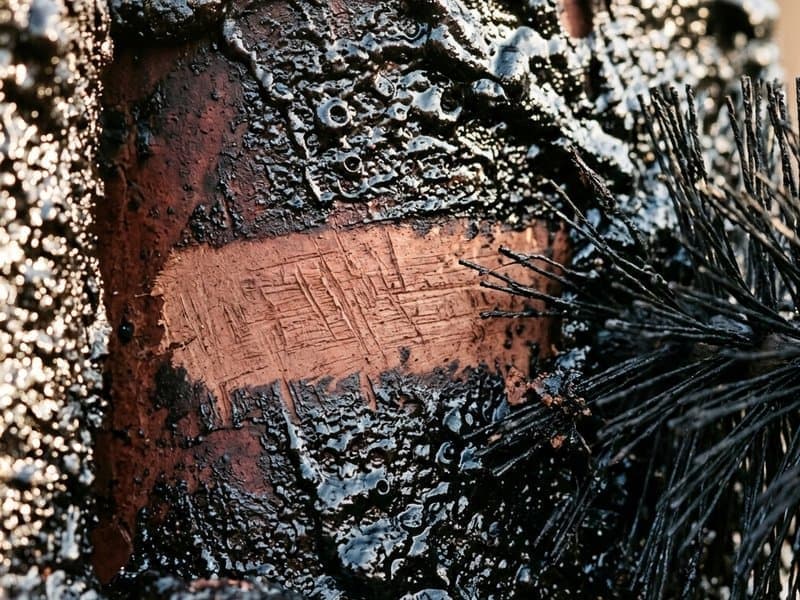
Creosote 1st, 2nd, 3rd stage and expanded creosote (chimney fire evidence). Why video inspection must precede sweeping. NFPA 211 §14.6 cleaning methods.
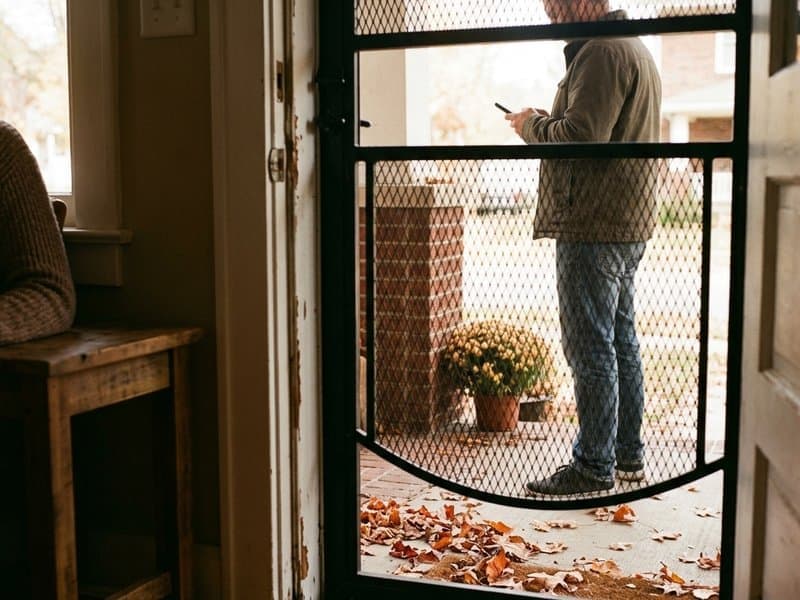
The 7 chimney sweep scam patterns — bait-and-switch deep clean upsell vs legitimate chemical treatment, fake Level 2, multi-alias SEO, unnecessary relining.
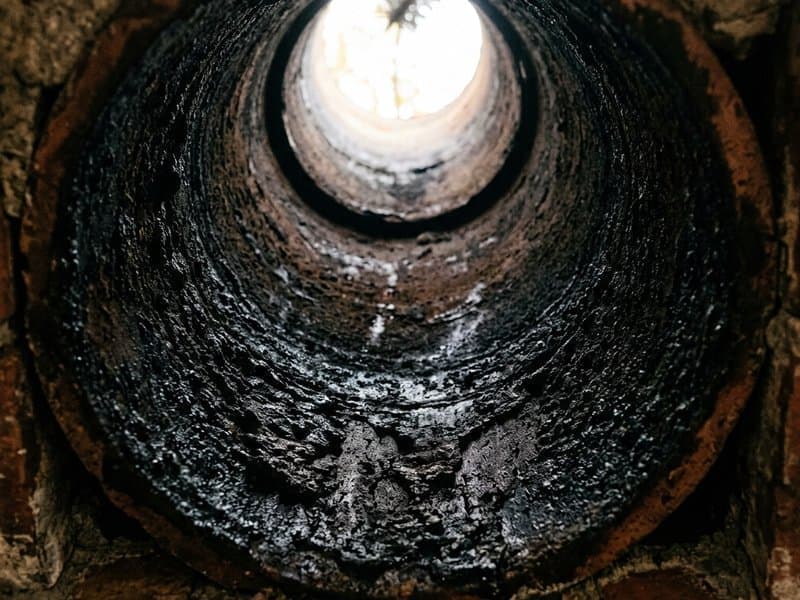
The $49-$99 'deep clean' upsell is a documented bait-and-switch. Professional chemical creosote treatment for 3rd stage glazed creosote is a legitimate $900-$2,000 service.