Annual Sweep Reminder
Personalised sweep/inspection calendar — reminders before peak season.
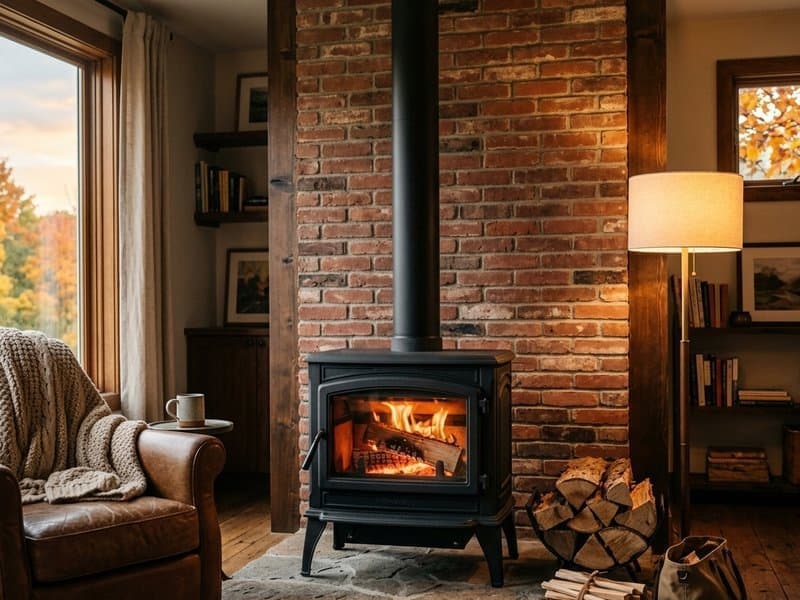
Wood stove chimney cleaning is not the same as fireplace sweeping. A wood stove concentrates combustion in a small metal firebox, runs at lower excess-air ratios than an open fireplace, and often has a single-wall stovepipe connecting the stove to the main chimney. The maintenance cycle includes components a fireplace owner never touches — stovepipe, gaskets, catalytic combustors, firebricks, and the stove body itself.
This guide covers the complete wood stove maintenance checklist, the stovepipe-vs-chimney distinction that matters for pricing and DIY scope, proper burn technique that halves creosote accumulation, the cost expectations for each component, and the decision framework for when to repair versus replace an aging stove.
Wood stoves produce more concentrated heat output than open fireplaces, typically 30,000-80,000 BTU/hour versus 20,000-40,000 BTU/hour for a masonry fireplace. That heat output requires different chimney and draft engineering, and the maintenance differs in three important ways.
First, wood stoves encourage low, slow burns by design — the stove's damper control lets you reduce airflow to cruise a fire overnight. This is the feature that makes a wood stove an effective heat source, but it is also the feature that produces significantly more creosote than an open fireplace's hot, oxygen-rich combustion. A well-operated wood stove with a cold-start hot fire deposits less creosote than a fireplace; a wood stove run at low air settings for hours produces far more.
Second, wood stoves have a stovepipe — the single-wall black metal connector between the stove body and the point where the flue enters the ceiling or wall. Stovepipe is separate from the chimney flue above it. Both need inspection and cleaning, but on different schedules and with different tools. Stovepipe sections can be removed and cleaned outdoors; the chimney itself requires rooftop access.
Third, modern EPA-certified wood stoves contain additional components absent from fireplaces: catalytic combustors (honeycomb ceramic elements coated with catalyst material that enable cleaner secondary combustion), door gaskets that seal the firebox, and firebricks lining the firebox floor and walls. Each of these components has its own wear cycle and replacement interval.
Every wood stove has two distinct flue components that get confused constantly, including in operator quotes.
Stovepipe (also called connector pipe) is the single-wall or double-wall black metal pipe running from the top or rear of the stove body to the ceiling or wall penetration. Single-wall stovepipe is the most common — thin metal, exposed in the room, usually three to six feet in total length. Its job is to carry combustion gases from the stove into the main chimney.
Chimney is the insulated flue above the stovepipe. It may be a traditional masonry chimney with a stainless steel liner installed, or a Class A insulated prefabricated metal chimney running up through the ceiling and roof. The chimney is the longer section, runs to the roof exit, and is mostly inaccessible except from the rooftop.
Both components need annual inspection and periodic cleaning. The stovepipe typically accumulates creosote faster because it runs cooler than the insulated chimney section — a hot fire may only get the stovepipe exterior to 250-400°F while the chimney interior runs hotter with less condensation. A good sweep will inspect both and clean whichever has exceeded the 1/8-inch NFPA 211 threshold.
Cost-wise, a full wood stove chimney sweep runs $150-$300 and should include both stovepipe and chimney inspection. If a quote only mentions one component, ask what's included. Cleaning only the stovepipe while ignoring the chimney above is a documented shortcut; cleaning only the chimney while ignoring the stovepipe misses the section most likely to be dirtiest.
Seven items to check and service once per year, typically in late summer before heating season begins.
Chimney sweep. Professional sweep with rod and brush, both stovepipe and chimney. Annual for most wood stove users because the low-slow burn pattern produces creosote faster than an open fireplace. $150-$300.
Stovepipe inspection and cleaning. Can be DIY if you're comfortable disconnecting the pipe sections. Disconnect from the stove and ceiling collar, carry outside, brush through with a chimney brush, inspect for corrosion or cracks, reassemble with new furnace cement at the joints. Replacement single-wall stovepipe is $20-$50 per three-foot section.
Door gasket inspection. The firebox door seals against a gasket — usually a fiberglass rope — that compresses to form an airtight seal. After 2-5 seasons of repeated heating and compression, gaskets flatten and leak. Test by closing a dollar bill in the closed door; if the bill pulls out easily, the gasket has failed. Replacement kits run $20-$50 and are a reasonable DIY project.
Catalytic combustor inspection (if equipped). Catalytic stoves have a honeycomb ceramic element coated with platinum or palladium that enables low-temperature secondary combustion. Combustors have a finite lifespan — 5-8 years of normal use, much less if exposed to treated wood or extreme temperatures. Inspect for cracking, peeling, ash blockage, or loss of catalyst coating. Replacement $150-$300. Stoves without catalytic combustors use secondary air tubes instead — inspect those for blockage and corrosion.
Firebrick inspection. The firebox floor and walls are lined with refractory firebricks that protect the stove body from direct flame. Cracked firebricks do not need replacement unless the crack is wide enough to expose the metal stove body behind them. Replacement bricks run $5-$15 each and are installed by simply removing the old brick and dropping in the new one.
Glass cleaning. The ceramic glass in the stove door accumulates a brown or black residue that is a diagnostic signal: dark heavy residue means the stove is being operated too cool, producing incomplete combustion. Clean with a dedicated stove glass cleaner or a damp cloth dipped in fireplace ash (mildly abrasive, safe for ceramic glass). If glass blackens within 1-2 burn cycles, adjust your burn technique (see below).
Exterior stove body check. Look for rust spots (indicating moisture exposure or condensation), warping of the top plate (indicating chronic over-firing), cracked welds (structural failure — not repairable, stove needs replacement), and corrosion at flue collar. Minor surface rust is usually cosmetic and treatable with high-temperature stove paint.
Wood stoves produce more creosote than open fireplaces because the stove's efficiency comes from extracting maximum heat from the fuel before venting exhaust. Higher efficiency means cooler flue gases. Cooler flue gases mean more water vapor, more unburned hydrocarbons, and more creosote condensation on flue walls.
A typical open masonry fireplace vents flue gases at 400-700°F. A well-operated modern wood stove vents at 250-450°F. The cooler exhaust is why the stove delivers more heat to the room, but it is also why the stove's flue accumulates creosote faster. A stove owner who burns daily should expect to sweep annually; a fireplace owner with similar fuel usage may only need sweeping every 2-3 years.
The secondary factor is burn technique. Most wood stove owners, when asked, admit to running their stove "dampened down for long slow burns, especially overnight." This is the exact burn pattern that maximises creosote. Air-starved combustion at low temperatures produces smoke full of unburned hydrocarbons that condense on any cool surface — which is the entire flue above the firebox.
Proper wood stove technique produces significantly less creosote and dramatically reduces the frequency of chimney fires.
Four practices, applied consistently, reduce creosote accumulation by 50% or more compared to the common "damped-down overnight burn" pattern.
Start hot. The first 15-20 minutes of every fire should be a full-air hot burn with the draft control wide open. This establishes chimney draft, heats the flue walls, and produces clean combustion. Premature damping — closing the air before the fire is established — is the single most common operator error.
Cruise with reduced air, but never fully choke. Once the fire is established and the stove is hot, reduce air to a cruise setting that maintains visible active flame without roaring. "Active flame" is the key phrase. Fires with visible flame are burning completely. Fires that are all glowing coals with no flame are smoldering and depositing creosote.
Reload before the fire burns down to coals. Adding wood to a fire that is already active and hot produces clean re-combustion. Adding wood to a cold fire of glowing coals produces heavy smoke as the new wood is heated through the smolder phase. Reload when you still see flame, not when you see only embers.
Burn seasoned hardwood only. Moisture below 20%, dried for 6-12 months, split and stacked under cover. Oak, maple, ash, hickory, and birch are ideal. Avoid softwoods (pine, spruce, cedar) for primary heating — their high sap content produces 2-3x more creosote than hardwood. Softwoods are fine for short kindling fires but not for sustained heat.
| Component | Professional Cost | DIY Cost | Frequency |
|---|---|---|---|
| Annual chimney sweep (stovepipe + chimney) | $150-$300 | Not recommended | Annually |
| Stovepipe replacement (per 3ft section) | $100-$200 installed | $20-$50 materials | Every 10-20 years |
| Door gasket replacement | $75-$150 | $20-$50 materials | Every 2-5 years |
| Catalytic combustor | $200-$400 installed | $150-$300 materials | Every 5-8 years |
| Firebrick replacement | $50-$150 | $5-$15 per brick | As needed |
| Glass replacement | $150-$300 | $75-$150 materials | Rarely, when cracked |
| Full stove replacement | $2,500-$6,000 installed | N/A | Every 20-30 years |
Annual total maintenance for a working wood stove should run $150-$400 in most years, with occasional spike years when gaskets or catalytic combustors need replacement.
| Maintenance Item | Wood Stove | Open Fireplace |
|---|---|---|
| Annual professional sweep | Recommended | Every 1-3 years |
| Stovepipe/connector | Present, needs cleaning | Not present |
| Gasket inspection | Every 2-5 years | Not applicable |
| Catalytic combustor service | Every 5-8 years (if equipped) | Not applicable |
| Firebrick replacement | As needed | As needed |
| Primary creosote driver | Low-slow burns | Burning green wood |
| Typical annual cost | $175-$400 | $150-$350 |
EPA-certified wood stoves — those complying with the 2020 NSPS (New Source Performance Standards) — achieve 70-80% combustion efficiency and emit 2-4.5 grams of particulate matter per hour. Older pre-1990 stoves achieved 40-50% efficiency and emitted 15-30 grams per hour.
The practical homeowner implications of EPA certification:
If you have inherited a pre-1990 stove with a working chimney, the decision to keep or replace comes down to local regulations, fuel cost, and expected remaining lifespan. A 35-year-old stove with cracked welds will cost $3,000 to replace; the same $3,000 pays for itself in fuel savings within 5-8 years.
Some wood stove problems are worth repairing. Others are signals that the stove has reached end-of-life and continued repair is wasteful.
Repair is the right call for:
Replacement is the right call for:
The rule of thumb: if the core fire-containment structure (firebox, welds, body metal) is compromised, replace rather than repair. Components bolted or inserted into a sound firebox (gaskets, bricks, catalytic combustors, door glass) are worth replacing indefinitely.
Browse 30+ guides, or jump straight to verified operators in your state.
Chimney fire prevention guide — how they start, warning signs during and after, emergency steps, and the 8-item prevention checklist that actually works.
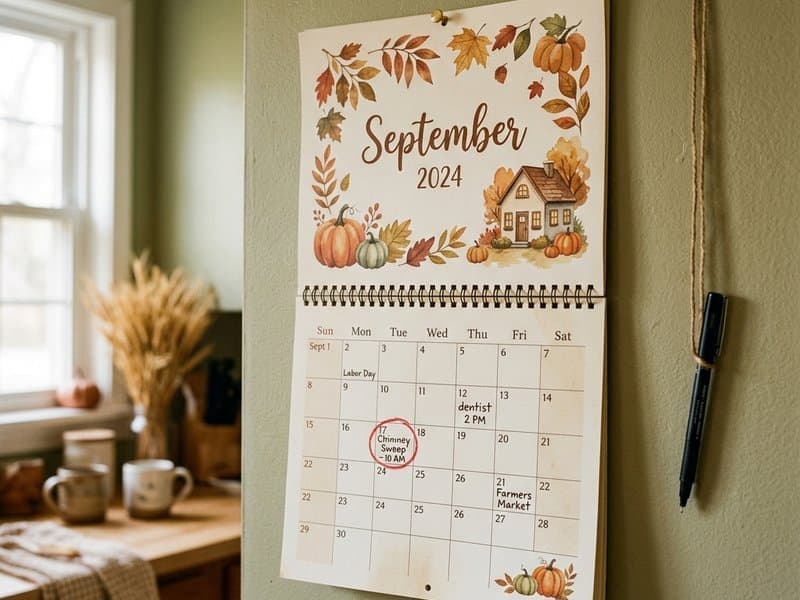
How often should you clean your chimney? The direct answer from NFPA 211, broken down by fuel type and usage — plus when annual sweeps are a scam.
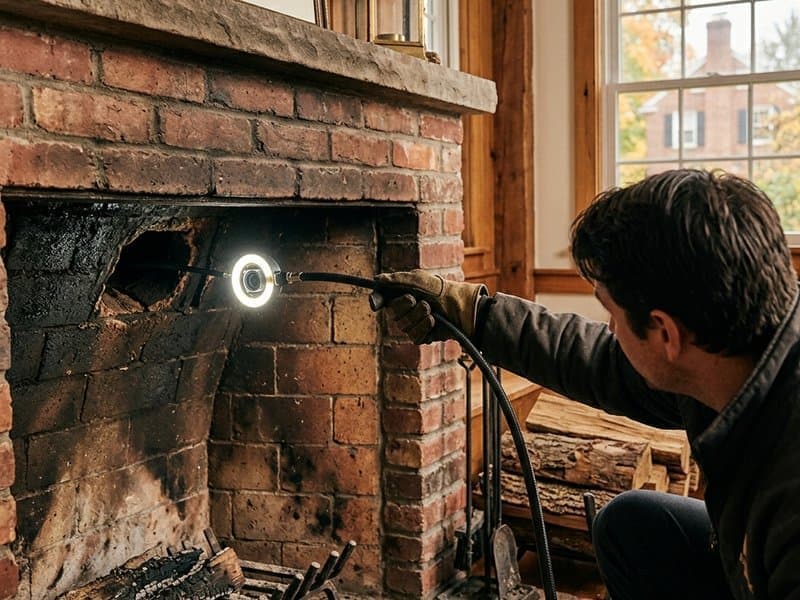
NFPA 211 inspection levels: Level 1 no camera, Level 2 video camera required. Each level includes all lower levels. Sweep durations, scope, scams to avoid.